


Building a Successful Music Practice Routine
- Anitra D. Thomas
- Mar 30
- 3 min read

Starting a new music journey or sharpening your skills can be thrilling! But let’s be honest - without a solid plan, practice sessions can feel like a drag or even a waste of time. I’ve been there, and I know how easy it is to lose motivation. The good news? You can build a successful practice routine that keeps you inspired, focused, and progressing every day. Ready to dive in? Let’s make your practice time the best part of your day!
Why a Successful Practice Routine Matters
Ever sat down with your instrument and thought, “What should I even practice today?” That’s where a routine saves the day. A well-structured practice routine:
Boosts your progress by targeting specific skills.
Keeps you motivated because you see real improvement.
Builds confidence as you master new pieces or techniques.
Prevents burnout by mixing things up and keeping sessions fun.
Think of your practice like a workout for your musical muscles. Without a plan, you might just be spinning your wheels. But with a routine, every minute counts!
Here’s a quick tip: Start small. Even 15 minutes a day beats a random hour once a week. Consistency is your secret weapon.

How to Create Your Own Successful Practice Routine
Let’s get practical! Building your routine is easier than you think. Follow these steps:
Set clear goals
What do you want to achieve? Learn a new song, improve your scales, or nail a tricky rhythm? Write it down.
Divide your practice time
Break your session into chunks. For example:
Warm-up (5 minutes)
Technique exercises (10 minutes)
New material (15 minutes)
Review and cool down (5 minutes)
Use a timer
This keeps you focused and prevents over-practicing one area.
Mix it up
Variety keeps things exciting. Alternate between sight-reading, ear training, improvisation, and playing along with recordings.
Track your progress
Keep a journal or use an app to note what you practiced and how it felt. Celebrate small wins!
Create a dedicated space
Find a quiet, comfortable spot with your instrument ready to go. This helps your brain associate the space with practice time.
Stay flexible
Life happens! If you miss a day, don’t stress. Just jump back in the next day.
Remember, a music practice routine is your roadmap to success. It’s not about perfection but progress.
What are the 7 Fundamentals of Music?
Understanding the basics can supercharge your practice. Here are the seven fundamentals every musician should know:
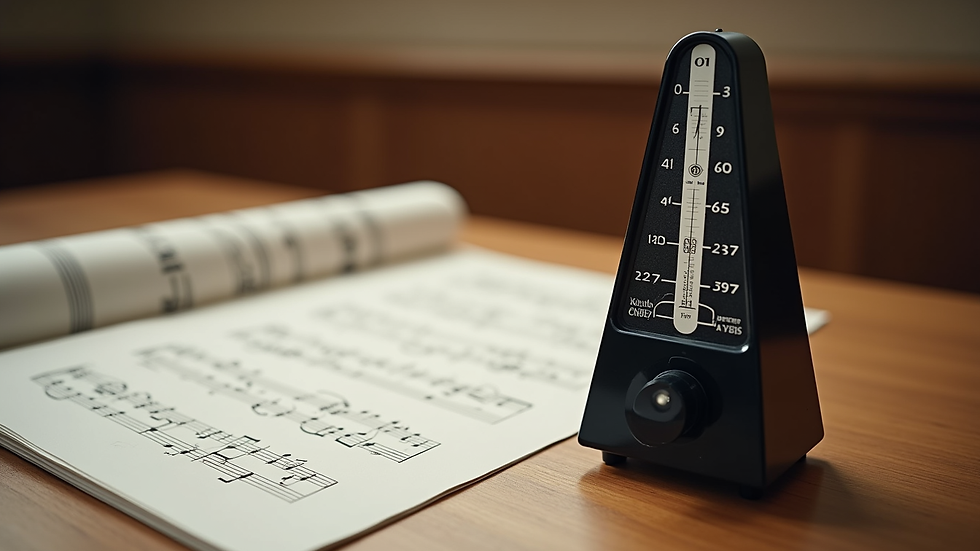
Rhythm - The heartbeat of music. Practice with a metronome to develop steady timing.
Pitch - The highness or lowness of a sound. Train your ear to recognize notes accurately.
Melody - A sequence of pitches that form a tune. Learn to play and sing melodies fluently.
Harmony - How notes sound together. Explore chords and progressions.
Dynamics - The volume levels in music. Practice playing softly and loudly with control.
Timbre - The unique tone color of an instrument or voice. Experiment with different sounds.
Form - The structure of a piece. Understand how sections fit together.
By focusing on these fundamentals during your practice, you build a strong musical foundation that will support everything you do.
Tips to Stay Motivated and Make Practice Fun
Let’s face it - practice can sometimes feel like a chore. But it doesn’t have to! Here are some ways to keep your energy high:
Set mini challenges
Try to master a tricky passage in a week or increase your speed gradually.
Record yourself
Listening back helps you hear your progress and areas to improve.
Play with others
Jamming or joining a group can make music social and exciting.
Reward yourself
After a solid session, treat yourself to something you enjoy.
Use technology
Apps, backing tracks, and online lessons can spice up your routine.
Visualize success
Imagine yourself performing confidently. This mental practice boosts real-life skills.
Remember, every great musician started exactly where you are now. Keep going - you’ve got this!
Making Your Practice Routine Work for You
No two musicians are the same, so your routine should fit your lifestyle and goals. Here’s how to tailor it:
For busy schedules: Short, focused sessions work best. Even 10 minutes daily adds up.
For kids: Keep it playful and interactive. Use games and rewards.
For advanced players: Challenge yourself with complex pieces and theory.
For aspiring professionals: Include sight-reading, ear training, and performance practice.
Don’t be afraid to adjust your routine as you grow. Flexibility is key to long-term success.
Building a successful music practice routine is all about commitment, creativity, and joy. With the right plan, you’ll find yourself improving faster and loving every minute of it. So grab your instrument, set your goals, and let’s make music magic happen!
Happy practicing!


Comments